





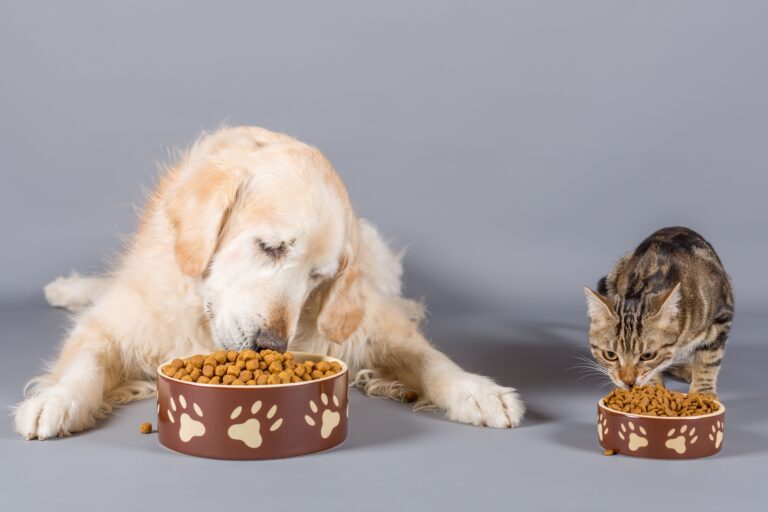
When we think about pet ownership, our minds instantly wander to long walks in the park, playful afternoons, and cozy cuddles on the couch. However, keeping our cats and dogs truly happy involves a foundational responsibility that goes far beyond providing nutritious food and affection: maintaining their physical hygiene.
Proper pet hygiene is not merely about aesthetic appeal or preventing a “smelly pet” aroma in your living room. It is a vital component of preventive veterinary medicine. Good hygiene practices stop pathogens in their tracks, prevent chronic inflammation, detect underlying medical issues early, and ultimately extend your companion’s lifespan. Below is an exhaustive breakdown of the essential hygiene habits every responsible pet owner must master.
1. The Art of Bathing: Finding the Right Balance
Bathing is often the first thing that comes to mind regarding pet hygiene, but it is remarkably easy to overdo or mismanage. Unlike humans, dogs and cats have a distinct skin pH and special natural oils that protect their dermal barrier. Bathing too frequently can strip away these vital lipid layers, leading to dry skin, severe irritation, dandruff, and secondary bacterial infections.
-
Frequency Guidelines: Most healthy dogs only require a bath every 4 to 8 weeks, depending heavily on their breed, coat type, and outdoor activity level. Cats, being fastidious self-groomers, rarely require traditional baths unless they get into something sticky, toxic, or suffer from mobility issues due to age or weight.
-
Product Choice Matters: Never use human shampoo on your pets. Human skin has an acidic pH (around 5.5), whereas pet skin ranges from neutral to slightly alkaline (6.2 to 7.5). Human products destroy their natural protective acid mantle. Always use a high-quality, soap-free, pH-balanced pet shampoo, preferably with soothing agents like oatmeal or aloe vera if your pet has sensitive skin.
2. Dental Hygiene: The Silent Health Accelerator
Periodontal disease is the single most common clinical condition diagnosed in adult pets today. By the age of three, over 80% of dogs and 70% of cats show visible signs of oral disease. Left unaddressed, plaque and tartar build-up transitions into severe gum infections, tooth loss, and intense chronic pain that pets notoriously hide.
More alarmingly, oral bacteria can easily enter the bloodstream through inflamed, bleeding gums. This allows bacteria to travel directly to major organs, causing irreversible damage to the heart valves, liver, and kidneys over time. Daily brushing with a pet-safe, enzymatic toothpaste (never use human toothpaste, as ingredients like xylitol are highly toxic to animals) is the gold standard of care. If daily brushing isn’t feasible, aim for at least three times a week, and supplement with vet-approved dental rinses or specialized chew toys designed to mechanically scrape plaque away.
Pro-Tip: Flip your pet’s lips once a week. Healthy gums should be a vibrant, healthy pink. Persistent bad breath, a dark red line along the gumline, or yellow-brown crusting on the teeth are immediate indicators that your pet requires a professional veterinary dental cleaning.
3. Ear Care: Keeping Infections at Bay
Pets—especially dog breeds with floppy ears like Spaniels, Retrievers, and Hounds—are incredibly susceptible to painful ear infections. Their L-shaped ear canals naturally trap moisture, debris, yeast, and wax, creating an ideal breeding ground for microbial growth.
Incorporate an ear inspection into your weekly routine. Healthy ears should be pale pink, free of odor, and contain minimal wax. To clean them, use a veterinarian-recommended liquid ear cleaning solution. Fill the canal slightly, gently massage the base of the ear for 20 seconds to break up deep-seated debris (you should hear a squishing sound), and allow your pet to shake their head. Finally, use a clean cotton pad or gauze wrapped around your finger to gently wipe away the dislodged debris from the outer ear flap. Never insert cotton swabs (Q-tips) down into the ear canal, as this pushes debris deeper and risks rupturing the delicate eardrum.
4. Nail and Paw Maintenance: Structural Alignment
Long nails are more than an annoyance on hardwood floors; they pose a genuine risk to your pet’s structural and joint health. When a dog’s or cat’s nails grow too long, they constantly make contact with the hard ground. This pushes the nail back up into the toe joint, altering the natural angle of the foot. Over time, this shifts their weight-bearing alignment, straining the tendons and accelerating arthritis in the wrists, elbows, and hips.
Keep nails trimmed short enough that they do not click loudly against the floor. For dogs, this usually means a trim every 2 to 4 weeks. For indoor cats, regular claw trimming prevents painful snags on carpets and furniture. Additionally, always inspect paw pads for cracks, embedded burrs, or foreign objects, and use a soothing, pet-safe paw balm during extreme weather conditions (like blistering summer asphalt or freezing winter ice) to maintain skin elasticity.
5. Coat Brushing and De-shedding: Beyond Aesthetics
Regular brushing is essential for all coat lengths. For long-haired breeds, it prevents severe matting. Mats are clumps of tangled fur that tighten against the skin over time, cutting off circulation, pinching the tissue, and hiding hot spots or parasitic infestations underneath. For short-haired breeds, brushing distributes natural oils across the epidermis, promoting a glossy coat and picking up loose dander.
Furthermore, consistent brushing dramatically reduces the volume of fur your pet swallows during self-grooming. This is particularly critical for felines, as minimizing ingested loose hair directly reduces the frequency of dangerous, uncomfortable hairballs in their digestive tract.
6. Environmental Hygiene: The Unsung Hero
Your pet’s personal hygiene is directly linked to the cleanliness of their immediate environment. Their food dishes, water bowls, bedding, and litter boxes are massive hubs for pathogenic accumulation if left neglected.
-
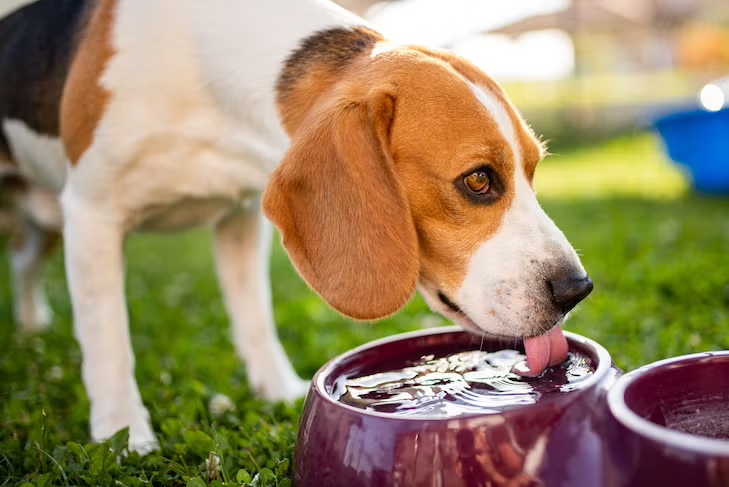
Bowls: Wash your pet’s food and water bowls daily with hot, soapy water. Biofilm—a slimy layer of bacteria—forms rapidly in water dishes and can cause persistent oral infections, chin acne, or digestive upset.
-
Bedding: Wash your companion’s plush beds and blankets every two weeks in hot water with an unscented, hypoallergenic detergent to eliminate dust mites, flea eggs, and lingering bacteria.
-
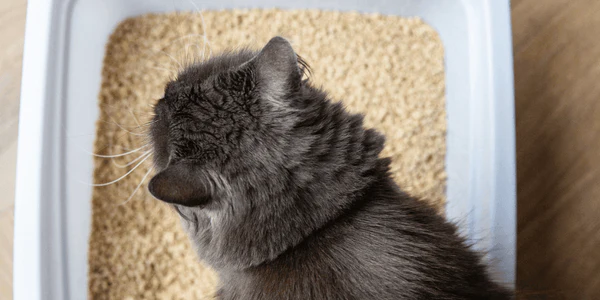
Litter Boxes & Waste: Scoop cat litter boxes at least once or twice a day, and completely dump, scrub, and sanitize the entire plastic box once a month. For dogs, remove backyard waste promptly to break the lifecycle of intestinal parasites like roundworms and hookworms.
Conclusion: Consistency is the Key to Vitality
Mastering pet hygiene is not something that happens overnight, nor does it require hours of daily labor. Instead, it relies on building small, predictable, positive routines. When you start grooming or cleaning routines early in your pet’s life—pairing the experiences with high-value treats and calm praise—hygiene shifts from a stressful chore into a powerful bonding ritual.
By keeping your pet’s coat clear, teeth polished, ears pristine, and environment clean, you aren’t just adjusting their appearance. You are systematically reducing their biological stress, saving thousands in emergency veterinary procedures, and extending the years of comfort, energy, and joy you get to share together. Excellent hygiene is the quiet foundation upon which a long, thriving life is built.