






Why Quality Pet Nutrition Matters for Long-Term Health
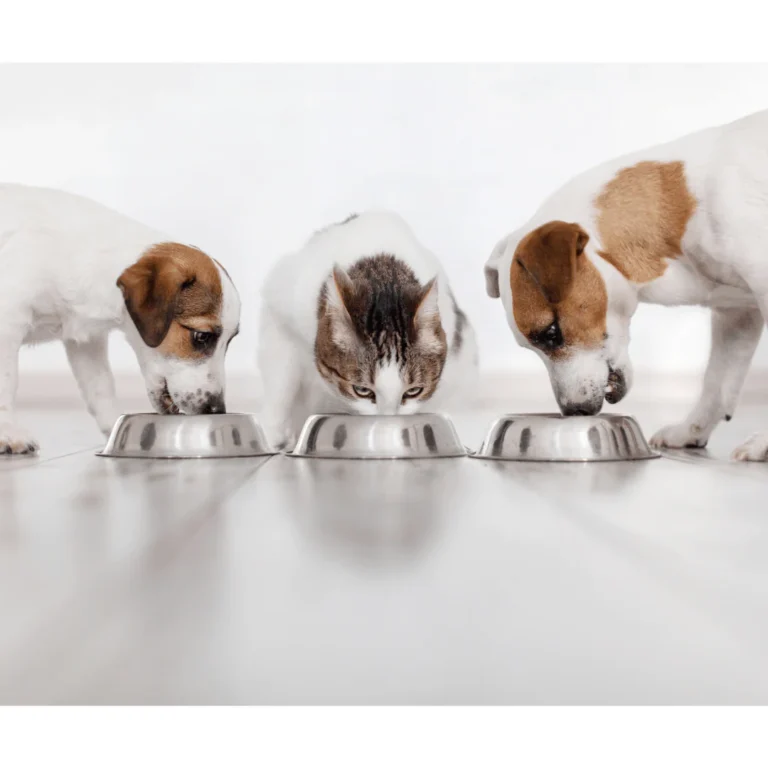
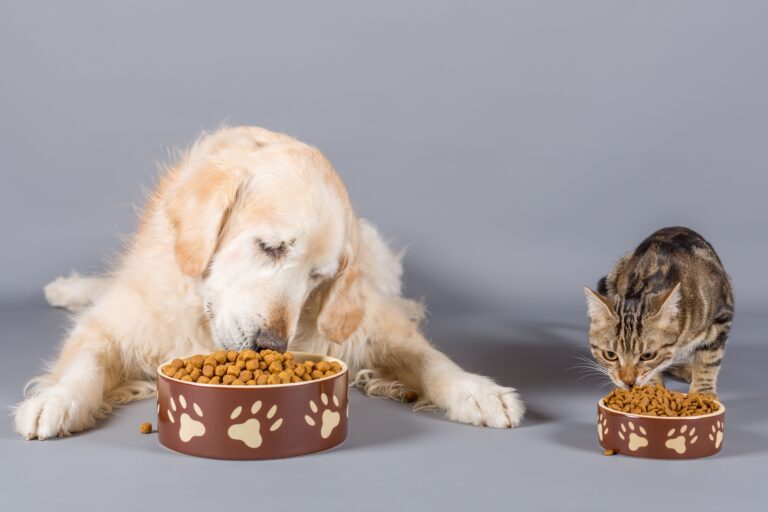
We often hear the phrase “you are what you eat,” and for our pets, this couldn’t be more literal. Unlike humans, who have the autonomy to choose a salad over a burger, our cats and dogs rely entirely on us to provide the fuel their bodies need.
In the world of pet ownership, it’s easy to get overwhelmed by marketing buzzwords and colorful packaging. However, the difference between “surviving” and “thriving” often comes down to the quality of the ingredients in the bowl. Investing in premium nutrition today is the most effective way to ensure a long, vibrant life for your companion while avoiding the heartbreak (and cost) of chronic health issues down the road.
The Foundation: Bioavailability and Ingredient Integrity
Not all proteins are created equal. You might see two bags of food that both claim to have 25% protein, but the source of that protein dictates how much of it your pet can actually use.
High-quality pet nutrition prioritizes bioavailable ingredients—nutrients that are easily absorbed and utilized by the body. Real muscle meats (like deboned chicken, lamb, or salmon) provide essential amino acids in a form that a dog or cat’s digestive system is evolutionarily designed to process. On the other hand, lower-quality foods often rely on “meat by-products” or “meat meal” of anonymous origin, which can include less digestible parts like feathers or connective tissue. When a pet eats low-quality fillers, their body has to work harder to filter out waste, leading to lethargy and poor muscle tone.
1. Strengthening the Immune System
A pet’s gut is responsible for about 70% of their immune system. Quality nutrition acts as a daily “shield.” Premium diets are often fortified with antioxidants like Vitamin E, Vitamin C, and beta-carotene, alongside prebiotic fibers and probiotics.
These components work together to maintain a healthy microbiome. A balanced gut doesn’t just mean better digestion; it means your pet is better equipped to fight off environmental allergens, seasonal viruses, and even the early stages of cellular mutations. By feeding high-quality nutrients, you are essentially giving your pet a daily internal tune-up.
2. Preventing Chronic Inflammation and Joint Health
Inflammation is the silent enemy of aging pets. Low-quality foods often contain high levels of corn, soy, and wheat—fillers that can trigger inflammatory responses in sensitive animals.
Quality nutrition focuses on a proper balance of Omega-3 and Omega-6 fatty acids. These essential fats, often derived from fish oil or flaxseed, act as natural anti-inflammatories. For large-breed dogs prone to hip dysplasia or senior cats with arthritis, these nutrients are vital. They keep the joints lubricated and the cartilage resilient, ensuring that your pet can still enjoy their daily walks and jumps well into their senior years.
3. Skin, Coat, and the External Health Indicator
The most visible sign of a well-nourished pet is their coat. A dull, brittle, or flaky coat is often the first “S.O.S.” signal from the body that it is missing key nutrients.
When a pet is fed a high-quality diet, the body doesn’t have to ration nutrients to keep vital organs running. Instead, there is enough surplus to maintain a thick, glossy coat and supple skin. This isn’t just about aesthetics; a healthy skin barrier is the first line of defense against parasites and infections.
4. Organ Longevity: Protecting the Heart and Kidneys
The internal organs—specifically the heart, liver, and kidneys—are the engines of your pet’s body. Over time, poor nutrition can put an immense strain on these systems.
-
Heart Health: Quality foods often include taurine and L-carnitine, amino acids critical for cardiac muscle function.
-
Kidney Function: Especially in cats, the quality of protein and the balance of minerals (like phosphorus and calcium) are crucial. Excessive amounts of low-quality minerals can lead to the formation of stones or contribute to chronic kidney disease (CKD).
By providing precisely balanced minerals and high-quality proteins, you reduce the workload on these organs, potentially adding years to your pet’s life.
5. Weight Management and Metabolic Balance
Pet obesity is an epidemic, and it is almost always a nutritional issue. Cheap fillers are high in carbohydrates, leading to insulin spikes and fat storage.
Quality nutrition focuses on nutrient density rather than “empty calories.” When a pet eats food that satisfies their nutritional requirements, they are less likely to overeat or beg for scraps. Maintaining a lean body weight is perhaps the single most important factor in preventing diabetes, heart disease, and tracheal collapse.
6. Cognitive Function and Brain Aging
Recent studies in pet geriatrics have shown that nutrition plays a massive role in “Brain Aging.” Premium senior diets are now incorporating “brain boosters” like DHA (an omega-3 fatty acid found in fish oil) and medium-chain triglycerides (MCTs). These ingredients provide an alternative energy source for aging brain cells, helping to keep your pet alert, engaged, and less prone to the confusion often associated with Canine Cognitive Dysfunction (the pet equivalent of dementia).
The “Cost” Myth: Why Quality is a Better Investment
One of the biggest hurdles for pet owners is the “sticker shock” of premium food. However, when you look at the long-term math, quality nutrition actually saves money:
-
Lower Feeding Requirements: Because premium food is nutrient-dense, you often feed significantly less per meal than you would with a “filler-heavy” brand. A bag of high-quality food usually lasts much longer.
-
Fewer Vet Visits: Preventing a single case of urinary crystals or managing a diabetic cat can cost thousands in veterinary bills. Quality food is preventative medicine you can buy in a bag.
-
Smaller Cleanup: Better absorption means less waste. You’ll notice that pets on high-quality diets have smaller, firmer stools, making backyard cleanup much easier.
What to Look For on the Label
To ensure you are truly buying quality, ignore the pictures on the front and flip to the Ingredient List and Guaranteed Analysis:
-
The First Three Ingredients: These should be specific animal proteins (e.g., “Turkey,” “Salmon,” “Chicken”). Avoid “Meat Meal” or “Animal Fat.”
-
No Artificial Preservatives: Look for natural preservatives like mixed tocopherols (Vitamin E) rather than BHA or BHT.
-
Specific Sourcing: Quality brands are usually transparent about where their ingredients come from.
Conclusion
Quality pet nutrition isn’t a luxury; it’s the bedrock of a happy home. Our pets give us their loyalty, protection, and unconditional love. The least we can do in return is provide them with the best possible fuel for their journey. When you choose high-quality food, you aren’t just filling a bowl—you’re buying more time, more walks, and more memories with your best friend.
A healthy life starts from the inside out. Choose wisely, and your pet will show their gratitude through every wag of the tail and every contented purr.