


As the global community becomes increasingly aware of its environmental footprint, sustainability is no longer just a buzzword—it is a lifestyle. For the modern pet owner, this commitment extends to their furry companions. From the carbon footprint of meat-heavy diets to the plastic waste generated by toys and accessories, our pets have a significant impact on the planet.
Adopting eco-friendly pet care practices doesn’t mean sacrificing the quality of your pet’s life. In fact, many sustainable choices are healthier for your pet, reducing their exposure to synthetic chemicals and low-grade fillers. Here is a comprehensive guide to making greener choices for your pet.
1. Sustainable Nutrition: Quality Over Waste
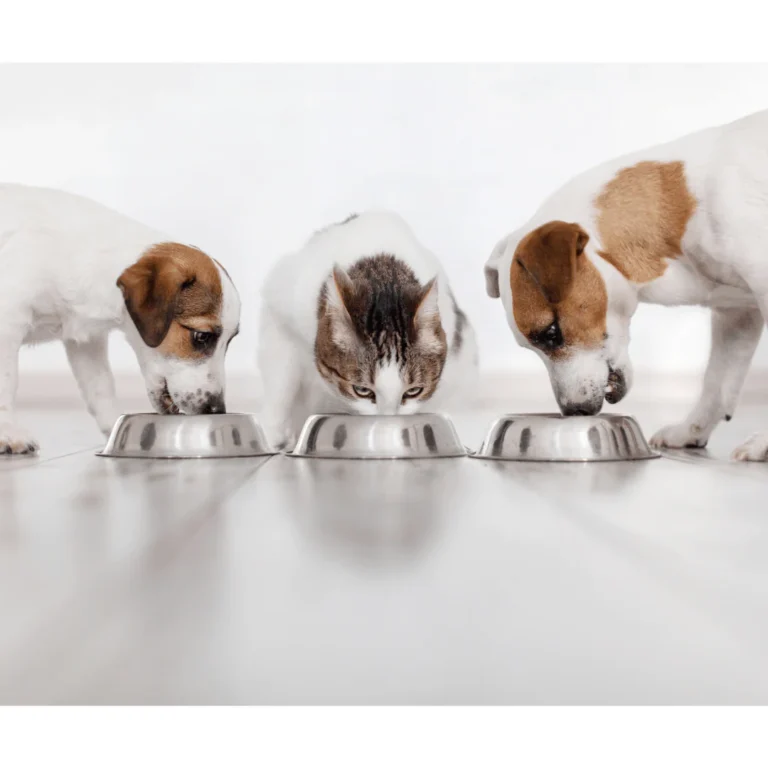
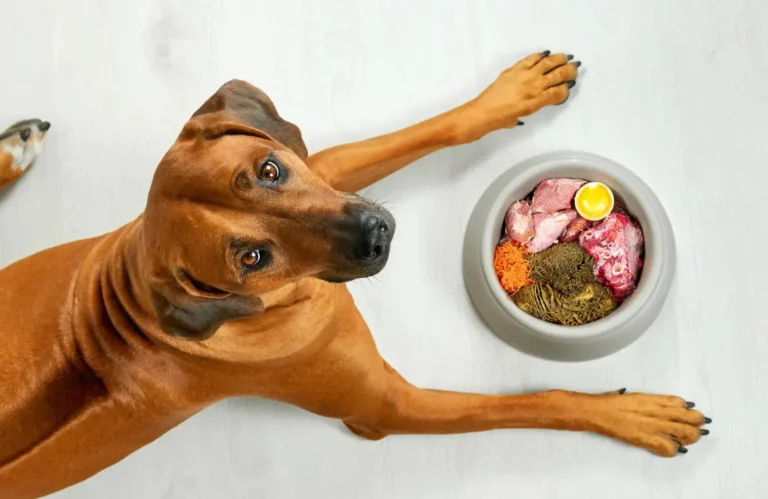
The most significant environmental impact of pet ownership comes from their diet. Traditional pet foods often rely on intensive factory farming, which contributes heavily to greenhouse gas emissions and land degradation.
-
Sustainably Sourced Proteins: Look for brands that prioritize wild-caught fish with MSC certification or grass-fed, pasture-raised meats. These options are often more nutrient-dense and bioavailable for your pet.
-
Upcycled Ingredients: Some premium brands now use “ugly” vegetables or high-quality organ meats that would otherwise go to waste in the human food chain. These are packed with vitamins and minerals like Vitamin A and Taurine.
-
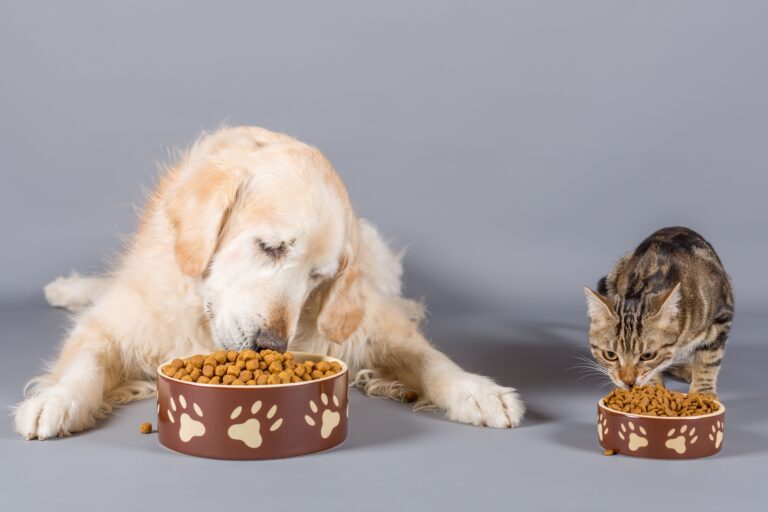
Bulk Buying and Recyclable Packaging: To reduce plastic waste, consider buying larger bags of dry food or opting for brands that use recyclable cans and BPA-free linings.
2. The Move Toward Low-Dust, Natural Litters
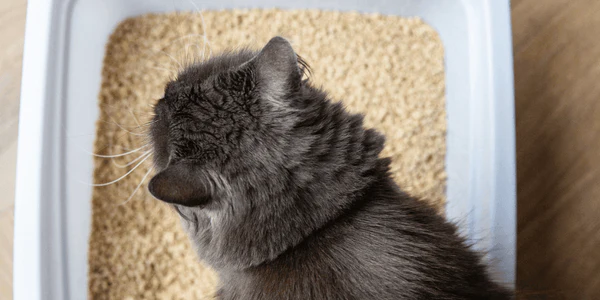
Traditional clay litters are often sourced through strip mining, an invasive process that destroys local ecosystems. Furthermore, the silica dust in these litters can be harmful to both feline and human respiratory systems.
-
Natural Substrates: Consider switching to litters made from recycled paper, pine pellets, walnut shells, or corn. These are biodegradable and often provide superior odor control without the need for artificial fragrances.
-
The Respiratory Benefit: Low-dust natural litters reduce the risk of feline asthma and chronic coughing, providing a cleaner breathing environment for your home.
3. Waste Management: Beyond the Plastic Bag
Managing pet waste is one of the most challenging aspects of eco-friendly pet care. Millions of plastic “poop bags” end up in landfills every year, where they can take centuries to decompose.
-
Certified Compostable Bags: Ensure your bags are certified “Home Compostable” (ASTM D6400). Many “biodegradable” bags are simply plastic mixed with additives that break down into microplastics.
-
Responsible Disposal: Never compost pet waste near vegetable gardens, as it can contain harmful parasites like roundworms or hookworms. Use designated waste systems that safely break down the material.
4. Durable, Non-Toxic Toys and Bedding
The pet toy industry is dominated by cheap, “squeaky” plastic toys that are easily destroyed and discarded. These often contain phthalates and BPA, which can be ingested by your pet during play.
-
Natural Fibers: Opt for toys made from hemp, organic cotton, or natural rubber. Hemp is particularly durable, antimicrobial, and requires very little water to grow.
-
Recycled Bedding: When choosing a pet bed, look for fillers made from recycled plastic bottles or organic wool. These provide excellent joint support while diverting waste from the ocean and landfills.
5. Preventive Hygiene as Sustainability
It may not seem obvious, but maintaining excellent pet hygiene is a form of sustainability. By preventing chronic diseases, you reduce the environmental cost of emergency medical treatments, disposable medical supplies, and pharmaceuticals.
-
Water-Saving Grooming: Use waterless shampoos or pH-balanced pet wipes for small clean-ups between baths to save water.
-
Oral Health: Daily brushing with enzymatic toothpaste prevents periodontal disease, which can otherwise lead to systemic organ damage in the heart and kidneys. A healthy pet requires fewer resources over their lifetime.
6. The “Refill and Reuse” Mindset
Modern pet owners are increasingly looking for ways to reduce “one-time use” items in their routine.
-
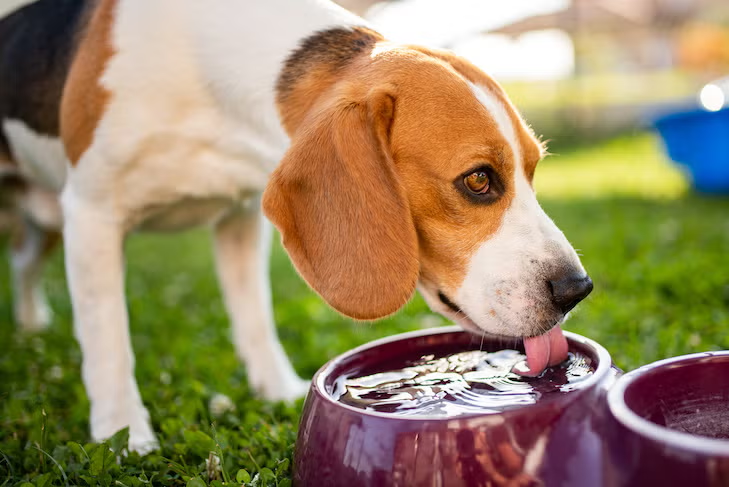
Stainless Steel or Ceramic Bowls: These last a lifetime and are much more hygienic than plastic. Plastic bowls can develop microscopic scratches that trap biofilm and bacteria, leading to issues like feline chin acne.
-
DIY Enrichment: Instead of buying new plastic puzzle toys, use household items. A cardboard box with hidden treats or a “snuffle mat” made from old fleece blankets provides excellent mental stimulation without the plastic footprint.
7. Mindful Consumption: Supporting Ethical Brands
Sustainability is also about where you spend your money. Research the brands you support to ensure they practice ethical labor standards and transparent ingredient sourcing.
-
Transparency: Quality brands will clearly list the origin of their proteins and the results of their safety testing.
-
Local Sourcing: Buying pet supplies made closer to home reduces the “shipping miles” and carbon emissions associated with your pet’s care.
The Economic Benefit of Going Green
While some eco-friendly products have a higher upfront cost, they often provide better long-term value:
-
Longevity: A natural rubber toy will outlast five cheap plastic ones.
-
Efficiency: Nutrient-dense, sustainably sourced food often requires smaller serving sizes because it has fewer fillers.
-
Health Savings: Reducing exposure to dust, chemicals, and low-quality fats prevents expensive vet visits for allergies, respiratory issues, and obesity.
Conclusion: Small Steps for a Large Impact
Eco-friendly pet care is not about being perfect; it’s about making conscious, incremental changes. Whether it’s switching to a low-dust pine litter, choosing a hemp tug-toy, or investing in high-quality, bioavailable nutrition, every choice matters.
Our pets bring immense joy to our lives and connect us to the natural world. By choosing sustainable practices, we honor that connection and ensure a healthier planet for all species to enjoy. Start with one small change today—your pet and the Earth will thank you.