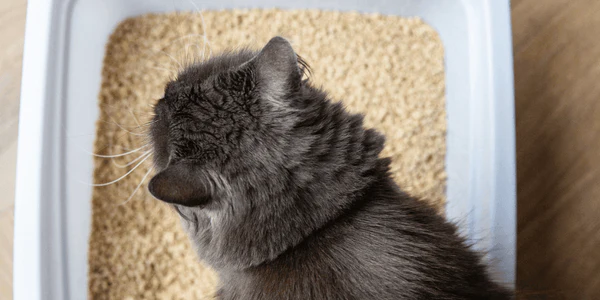


For many cat owners, the litter box is simply a necessary part of indoor living—a utility tucked away in a corner. However, the type of substrate you choose can have a profound impact on the long-term health of your feline companion and the air quality of your home.
While traditional clay litters have been the standard for decades, they often produce a fine, powdery cloud every time a cat digs or a human scoops. This has led to the rise of low-dust cat litter, a specialized product designed to minimize airborne particles without sacrificing cleanliness.
The Hidden Dangers of “Litter Clouds”
To understand the benefits of low-dust options, we must first look at the risks associated with standard dusty litters. Most conventional litters are made from sodium bentonite clay. When this clay is processed into granules, it creates crystalline silica dust.
-
Respiratory Irritation: Cats have highly sensitive respiratory systems. Inhaling silica dust daily can lead to chronic coughing, wheezing, and in severe cases, feline asthma.
-
Human Health Concerns: It isn’t just the cats at risk. Owners who suffer from allergies, bronchitis, or asthma may find that scooping a dusty litter box triggers their own respiratory symptoms.
-
Household Cleanliness: Dust doesn’t stay in the litter box. It travels through the air, settling on furniture, electronics, and floors, requiring more frequent deep cleaning of the home.
Top 5 Benefits of Low-Dust Cat Litter
Switching to a low-dust formula is one of the simplest environmental changes you can make to improve your pet’s quality of life.
1. Better Respiratory Health for Cats and Kittens
Low-dust litter is essential for cats with pre-existing conditions like asthma or bronchitis. By removing the “trigger” cloud, you reduce inflammation in their airways. Kittens, whose lungs are still developing, also benefit immensely from a cleaner breathing environment during their most vulnerable growth stages.
2. Clearer Eyes and Healthier Skin
Fine litter dust doesn’t just enter the lungs; it can also irritate a cat’s eyes, leading to discharge or redness. Furthermore, dust can get trapped in the paws and fur, leading to over-grooming or skin irritation as the cat tries to clean the “gritty” feeling off their body. Low-dust options provide a much cleaner tactile experience.
3. Improved Air Quality for the Home
Standard litters can linger in the air for minutes after a cat finishes their business. Low-dust litters use heavier or more cohesive granules that stay in the box. This keeps the air in your laundry room or bathroom fresh and significantly reduces the amount of gray film that accumulates on nearby surfaces.
4. Less Tracking and Mess
Dusty litters often have a “sandy” consistency that easily sticks to a cat’s paws. As they step out of the box, they track this dust across your rugs and bedding. Low-dust litters often feature larger or more uniform pellets—such as those made from pine, paper, or treated clay—which are less likely to hitch a ride on your cat’s paws.
5. Easier Monitoring of Health
Many low-dust litters are made from alternative materials like silica gel (crystals), walnut shells, or recycled paper. These materials often make it easier for owners to monitor changes in their cat’s waste, such as blood in the urine or changes in stool consistency, which can be masked by thick, gray clay dust.
Types of Low-Dust Litter Materials
If you are looking to make the switch, there are several varieties to consider, each with its own unique properties:
-
Crystalline Silica (Crystal) Litter: These are highly absorbent and virtually dust-free. The “crystals” trap moisture and odors inside, and because they aren’t made of clay, they don’t break down into powder.
-
Recycled Paper Pellets: Ideal for cats with post-surgical incisions or sensitive paws, paper pellets are heavy enough to prevent dust clouds and offer excellent absorbency.
-
Pine or Corn-Based Litters: These natural alternatives use the plant’s fibers to clump or absorb. They are often biodegradable and have a pleasant, natural scent that replaces artificial fragrances.
-
Screened Clay: Some high-end clay litters undergo an intensive screening process to remove 99.9% of dust particles while retaining the clumping benefits owners love.
Tips for Transitioning Your Cat
Cats are creatures of habit and can be sensitive to changes in the texture or scent of their litter. To ensure a successful switch to a low-dust variety:
-
The Blend Method: Start by mixing 25% of the new low-dust litter with 75% of your old litter. Gradually increase the ratio over 10 to 14 days until the box is 100% low-dust.
-
Keep the Location Constant: Don’t move the litter box while you are changing the substrate. Too many changes at once can lead to litter box avoidance.
-
Observe Their Behavior: Ensure your cat is comfortable digging and covering in the new material. If they seem hesitant, try a low-dust variety that has a similar texture to their previous litter.
Conclusion: A Healthier Home, One Scoop at a Time
Investing in low-dust cat litter is about more than just convenience; it is a commitment to the long-term respiratory health of every member of your household—feline and human alike. By choosing a formula that stays in the box and out of the air, you are creating a cleaner, safer, and more comfortable environment.
A happy cat starts with a healthy environment. Make the switch to low-dust today, and you’ll likely notice a difference in your cat’s energy, their coat, and the very air you breathe.