
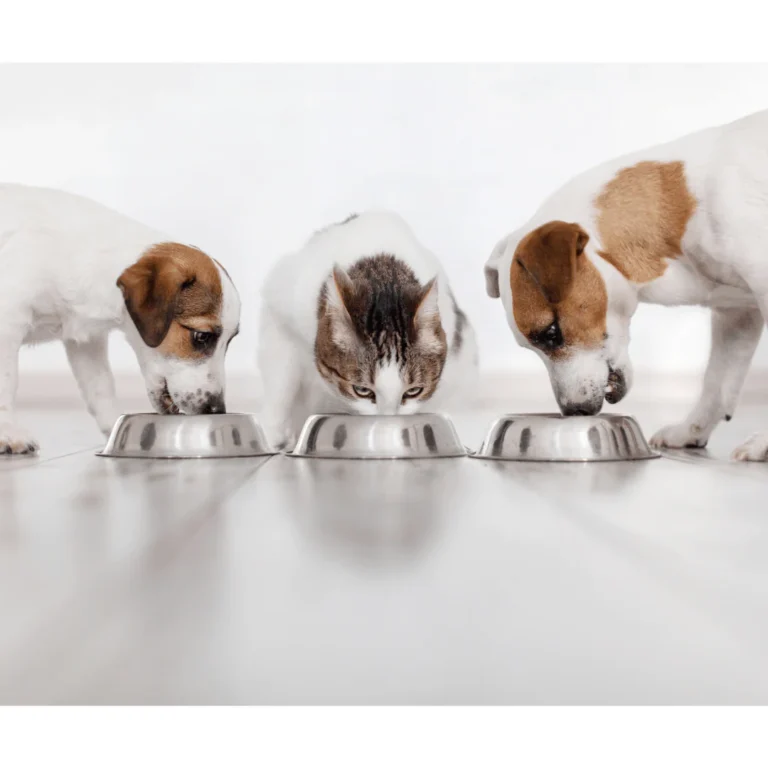







Wet food is often viewed as a “treat” or a luxury topper, but for many veterinarians and pet nutritionists, it is considered a cornerstone of a healthy feline and canine diet. While dry kibble offers convenience, the biological benefits of moisture-rich food are hard to ignore.
Whether you are looking to manage your pet’s weight, improve their hydration, or simply make mealtime more exciting, here are the top 10 benefits of incorporating wet food into your pet’s daily routine.
1. Superior Hydration and Kidney Health
The most significant difference between dry and wet food is the moisture content. Dry kibble typically contains about 10% water, whereas wet food averages between 70% and 80%.
For cats, who have a low thirst drive by nature, and dogs who may not drink enough water during the day, wet food acts as a crucial hydration source. Proper hydration is the first line of defense against kidney disease and urinary tract crystals. By “eating” their water, pets maintain better flush-through of their renal systems, significantly reducing the risk of painful stones and infections.
2. Weight Management and Caloric Density
Pet obesity is a growing concern, often linked to the high carbohydrate and caloric density of dry kibble. Wet food is generally lower in calories per gram because of its high water content. This allows you to serve a larger, more satisfying volume of food without overfeeding calories.
The increased “bulk” from moisture helps pets feel full faster and stay satiated longer. If you have a “food-motivated” dog or a cat that begs for snacks, wet food can be an effective tool for achieving a lean body condition without making them feel deprived.
3. High Protein, Lower Carbohydrates
Biologically, cats are obligate carnivores, and dogs are scavenging carnivores. Both thrive on diets rich in animal proteins. Dry food requires starches (like corn, wheat, or peas) to hold its shape and “crunch.” Wet food, however, doesn’t require those binding agents.
Consequently, wet food often features a higher percentage of protein and fewer fillers. This mirrors a more natural “ancestral” diet, providing the essential amino acids needed for muscle maintenance and overall vitality.
4. Increased Palatability for Picky Eaters
We’ve all been there: you buy a massive bag of premium kibble, only for your pet to turn their nose up at it. Wet food is far more aromatic than dry food. Since a pet’s sense of taste is heavily linked to their sense of smell, the rich scent of canned or pouched food is often enough to entice even the most stubborn eaters.
This is particularly helpful for senior pets or those recovering from illness whose appetites may be waning. The variety of textures—pâté, shreds, chunks in gravy, or stews—keeps mealtime interesting and prevents “food boredom.”
5. Easier Digestion and Nutrient Absorption
Wet food is physically easier for the body to break down. Because it is already hydrated, the digestive tract doesn’t have to work as hard to process the nutrients. This leads to better nutrient absorption and, often, smaller and firmer stools. For pets with sensitive stomachs or gastrointestinal issues, the soft texture of wet food provides a gentle alternative that is less likely to cause irritation during digestion.
6. Ideal for Senior Pets and Dental Issues
As pets age, they may develop dental disease, lose teeth, or suffer from weakened jaws. Crunching on hard kibble can become a painful chore. Wet food requires very little chewing, making it the perfect solution for senior animals.
Additionally, many senior pets suffer from a decline in their senses. The intense aroma and soft texture of wet food ensure they continue to receive the nutrition they need to maintain their strength in their golden years.
7. Supports Urinary Tract Health
Urinary Tract Infections (UTIs) and Feline Lower Urinary Tract Disease (FLUTD) are common and potentially life-threatening. A high-moisture diet helps dilute the urine, which prevents the concentration of minerals that lead to crystals and blockages. For male cats especially—who are prone to urethral obstructions—a wet-food-heavy diet is often recommended by vets as a preventative measure to keep the bladder healthy and functioning correctly.
8. Promotion of Lean Muscle Mass
Because wet food is typically higher in high-quality animal protein, it is excellent for building and maintaining lean muscle. This is vital for active dogs and growing kittens. Protein provides the building blocks for healthy tissues, skin, and fur. Unlike diets heavy in carbohydrates (which the body often stores as fat), a protein-forward wet diet ensures that your pet stays strong and agile.
9. A Boost for the Immune System
Many premium wet foods are packed with essential vitamins, minerals, and antioxidants that are preserved better in the canning process than through the high-heat extrusion used for kibble. Ingredients like omega-3 fatty acids, often found in the oils of wet food, help reduce inflammation and support a shiny coat and healthy skin. A well-nourished pet with a balanced gut (thanks to easy digestion) is a pet with a more resilient immune system.
10. Variety and Mental Enrichment
Imagine eating the same dry crackers for every meal of your life. While pets appreciate routine, they also benefit from sensory variety. Wet food allows owners to rotate flavors—salmon one day, turkey the next, beef the day after—without the digestive upset that often comes from switching brands of dry food.
Using wet food in enrichment toys (like lick mats or stuffable rubber toys) can also provide mental stimulation. Smearing wet food on a textured mat encourages licking, which is a natural self-soothing behavior for dogs and cats that reduces anxiety and boredom.
Finding the Right Balance
While the benefits of wet food are extensive, many pet owners find success with “mixed feeding.” This involves providing a portion of dry kibble for its dental-scraping benefits and convenience, while serving wet food once or twice a day for hydration and nutrition.
When choosing a wet food, look for options where a named animal protein (like chicken, beef, or lamb) is the first ingredient, and avoid products with excessive artificial colors or “by-product meals” of unknown origin.
Conclusion
Transitioning your cat or dog to a diet that includes wet food is one of the simplest ways to invest in their long-term health. From protecting their kidneys to keeping their coats glossy and their bellies full, the “moisture mission” is a win-win for both pet and owner. Next time you’re in the pet aisle, consider reaching for a can—your furry friend’s body (and taste buds) will thank you!