







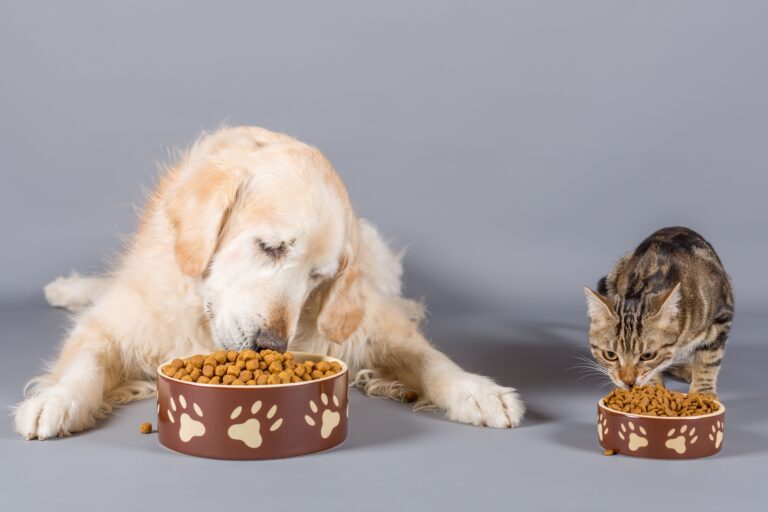
We often hear the phrase “you are what you eat,” and for our domestic companions, this couldn’t be more literal. Unlike humans, who have the autonomy to choose a crisp salad over a greasy burger, our cats and dogs rely entirely on us to provide the fuel their bodies need.
In the pet care industry, it’s easy to get overwhelmed by clever marketing, bright packaging, and confusing ingredient lists. However, when we look past the retail buzzwords, the true difference between a pet that is merely “surviving” and one that is genuinely “thriving” always comes down to nutritional quality. Committing to premium pet nutrition is the single most effective way to ensure a long, vibrant life for your furry family member while protecting them from chronic, preventable conditions down the road.
The Foundation: Bioavailability and Ingredient Integrity
To understand why quality matters, we have to look closely at how a pet’s body processes food. One of the most common misconceptions is that all proteins are created equal. You might look at two different brands of kibble or wet food and see that both claim to have “26% crude protein” on the back label. However, the source of that protein dictates how much of it your pet can actually absorb and use.
High-quality pet foods prioritize bioavailable ingredients. These are clean, premium nutrients that a dog’s or cat’s digestive tract is evolutionarily designed to break down. Real, whole muscle meats—such as deboned chicken, fresh lamb, turkey, or wild-caught salmon—provide complete profiles of essential amino acids.
Conversely, budget-grade or low-quality options often rely heavily on “meat by-products,” unlabelled “animal meals,” or heavy plant-based binding fillers like corn gluten and soy. While these ingredients technically bump up the protein percentage on paper, they are far more difficult for your pet’s system to digest. When a pet eats low-quality fillers, their liver and kidneys have to work twice as hard to filter out waste products, frequently resulting in lethargy, poor muscle retention, and larger, foul-smelling stools.
1. Strengthening the Immune System From the Inside Out
A pet’s gut is responsible for roughly 70% of their entire immune system. Quality nutrition acts as a daily preventative shield. Premium diets are purposefully fortified with natural antioxidants—such as Vitamin E, Vitamin C, and beta-carotene—alongside prebiotic fibers and live probiotics.
These components keep the delicate balance of the gut microbiome intact. A healthy microbiome doesn’t just mean smooth digestion and less gas; it ensures that your pet’s immune cells are actively primed to fight off environmental allergens, seasonal viruses, and harmful bacteria. By feeding clean, high-tier nutrients, you are reinforcing their baseline defense mechanism every single day.
2. Combating Chronic Inflammation and Supporting Joints
Inflammation is one of the primary drivers of premature aging and discomfort in cats and dogs. Low-quality foods packed with refined carbohydrates, artificial preservatives, and low-grade fats can trigger systemic inflammatory responses over time.
Quality nutrition counteracts this by maintaining a precise, healthy balance of Omega-3 and Omega-6 fatty acids, typically sourced from high-grade marine oils (like salmon oil or green-lipped mussel). These essential fatty acids act as natural anti-inflammatories. For large-breed dogs prone to hip dysplasia, or senior cats dealing with feline arthritis, these targeted nutrients are essential. They keep joints properly lubricated and protect cartilage, ensuring your pet stays mobile, playful, and agile well into their golden years.
3. Skin, Coat, and External Health Indicators
The most immediate, visible reflection of a pet’s internal health is their coat. A dull, brittle, greasy, or constantly shedding coat is usually the first “S.O.S.” signal from the body that something vital is missing from their diet.
When an animal receives premium, nutrient-dense food, their internal organs don’t have to ration vitamins and minerals just to maintain baseline functionality. Instead, there is a nutritional surplus that directly funds a thick, glossy coat and supple, flake-free skin. This isn’t just about a beautiful aesthetic; a strong, healthy skin barrier is your pet’s physical shield against external parasites, hot spots, and troublesome bacterial skin infections.
4. Organ Longevity: Protecting the Heart, Liver, and Kidneys
The internal organs—specifically the heart and kidneys—are the high-performance engines of your pet’s body. Over years of daily feeding, poor nutrition places an immense, cumulative strain on these vital systems.
-
Cardiovascular Health: Premium diets ensure adequate levels of vital amino acids like taurine and L-carnitine, which are critical for maintaining strong cardiac muscle function and preventing conditions like dilated cardiomyopathy (DCM).
-
Renal Health: Especially in cats, who are notoriously poor drinkers, the quality of dietary protein and the strict balance of minerals like phosphorus and calcium are critical. Excessive, cheap mineral ash in low-grade foods can lead to painful urinary tract crystals, bladder stones, or accelerate chronic kidney disease (CKD).
By offering precisely balanced minerals and easily digestible proteins, you decrease the workload on these filtering organs, effectively adding years to your pet’s life expectancy.
5. Weight Management and Metabolic Balance
Pet obesity has become a widespread health epidemic, and it is almost entirely rooted in poor nutritional choices. Cheap pet foods are frequently packed with simple carbohydrates to keep production costs down. These fillers digest rapidly, causing sharp spikes in blood sugar and leading the body to store excess energy as fat.
Quality pet nutrition focuses heavily on nutrient density over empty calories. When an animal eats food that truly satisfies its evolutionary nutritional requirements, it feels full faster and stays satiated longer. Maintaining a lean body condition is perhaps the single most impactful step an owner can take to prevent feline diabetes, canine heart disease, and debilitating tracheal or structural issues.
The Economic Reality: Why Quality is a Smarter Investment
One of the main barriers keeping pet parents from switching to premium food is the upfront cost on the price tag. However, when you look closer at the long-term economics of pet care, high-quality nutrition consistently saves money:
-
Lower Feeding Guidelines: Because premium food contains very little waste filler, it is incredibly nutrient-dense. This means you actually feed a smaller physical volume per meal compared to a low-grade brand. A bag of high-quality food lasts significantly longer than a bag of cheap kibble of the exact same weight.
-
Fewer Veterinary Interventions: Treating a single severe case of urinary blockage, managing lifelong diabetes, or scheduling corrective joint surgeries can easily cost thousands. Investing in quality food is proactive medicine you buy at the pet supply counter rather than the emergency clinic.
-
Easier Household Cleanup: High bioavailability means excellent absorption. You will immediately notice that pets on high-quality diets produce smaller, firmer, and much less frequent stools, making yard and litter box maintenance vastly easier.
What to Look For on the Label
When evaluating a pet food, ignore the marketing imagery on the front of the packaging and flip directly to the Ingredient List and Guaranteed Analysis:
-
The First Three Ingredients: These should always be named, specific animal proteins (e.g., “Chicken,” “Deboned Turkey,” or “Salmon”). Avoid ambiguous terms like “Animal Fat” or generic “Meat Meal.”
-
Natural Preservatives: Look for foods preserved naturally with mixed tocopherols (Vitamin E) or rosemary extract rather than harsh chemical synthetics like BHA, BHT, or ethoxyquin.
-
Transparent Sourcing: Reputable, quality-driven pet brands are always completely open about where their ingredients are sourced, manufactured, and safety-tested.
Conclusion
Providing quality pet nutrition isn’t an indulgent luxury; it is the absolute foundation of a healthy, happy home. Our pets offer us their boundless loyalty, protection, and unconditional affection. In return, the most impactful gift we can give them is the proper fuel to keep their bodies strong, comfortable, and energized.
When you choose high-quality food, you aren’t just filling a dish—you are actively purchasing more mornings filled with tail wags, more afternoon fetch sessions, and more quiet, comforting purrs on the couch. Good health truly starts from the inside out. Choose premium nutrition, and your companion will thank you with a lifetime of vibrant vitality.