







In the modern pet care market, the shelves are lined with an overwhelming array of options, from budget-friendly “regular” brands to high-end “premium” lines. For many pet owners, the primary question is whether the higher price tag truly reflects a higher level of care.
When we look beyond the packaging, the difference between regular and premium products is rarely about aesthetics; it is about ingredient integrity, bioavailability, and manufacturing standards. Understanding these distinctions is the key to investing in your pet’s long-term health and preventing costly medical issues down the road.
1. Ingredient Sourcing and Bioavailability
The most significant difference lies in the source of the nutrients. “Regular” pet products often focus on meeting the minimum legal nutritional requirements as cheaply as possible.
-
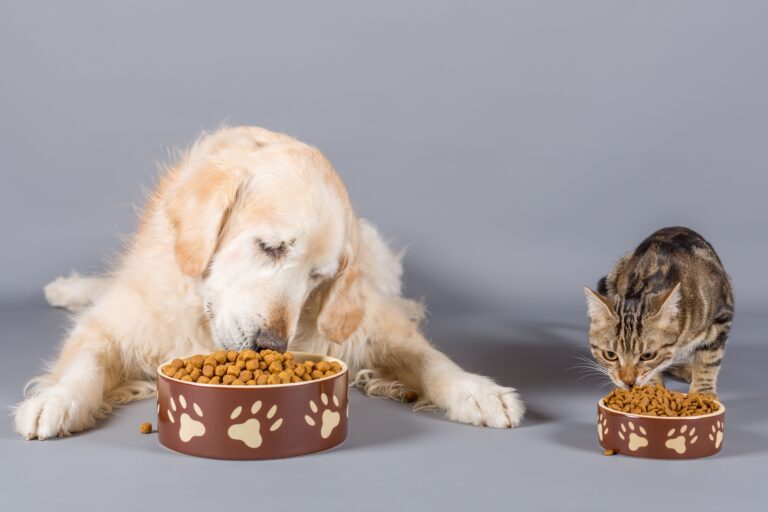
Protein Quality: Regular products frequently utilize “meat by-products” or generic “animal meals”. Premium products prioritize named, whole muscle meats like deboned chicken, lamb, or salmon.
-
Biological Value: Premium ingredients are chosen for their bioavailability—how easily the pet’s body can absorb and utilize the nutrients. High-quality proteins provide essential amino acids in a form that is naturally suited to a dog’s or cat’s digestive system.
-
Fillers: Regular brands often rely on heavy plant-based fillers like corn, soy, and wheat to bulk out the food. Premium formulas focus on nutrient density, often using “upcycled” vegetables or organ meats that are packed with vitamins like Vitamin A and Taurine.
2. The Science of Formulation
Premium pet care is often backed by rigorous scientific research and veterinary formulation.
-
Precision Nutrition: Premium brands typically offer life-stage-specific or breed-specific formulas that address precise needs, such as joint support for large-breed dogs or kidney health for senior cats.
-
Therapeutic Additives: You will often find functional ingredients in premium lines that are absent in regular brands, such as Omega-3 and Omega-6 fatty acids for skin health, or glucosamine and chondroitin for joint lubrication.
-
Gut Health: Premium diets frequently include prebiotics and probiotics to maintain a healthy gut microbiome, which is responsible for nearly 70% of a pet’s immune system.
3. Manufacturing and Safety Standards
Where and how a product is made is just as important as what is inside it.
-
Transparency: Premium manufacturers are generally more transparent about their sourcing, often providing information on exactly which farms or fisheries their ingredients come from.
-
Rigorous Testing: High-end brands often conduct more frequent safety testing for contaminants like salmonella or heavy metals, ensuring a safer product for your home environment.
-
Natural Preservation: Regular products may use harsh chemical preservatives like BHA or BHT. Premium products utilize natural preservatives, such as mixed tocopherols (Vitamin E) or rosemary extract, to keep food fresh.
4. Hygiene and Accessory Quality
The “premium” label extends beyond the food bowl into grooming and everyday accessories.
-
pH-Balanced Grooming: Regular pet shampoos often contain harsh detergents that can strip natural oils and disrupt the skin’s protective barrier. Premium grooming products are strictly pH-balanced for pet skin (which is more alkaline than human skin) and use soothing ingredients like oatmeal or aloe vera.
-
Non-Toxic Materials: Cheap plastic toys and bowls can contain BPA or phthalates and may develop microscopic scratches that trap a “biofilm” of bacteria. Premium accessories favor non-porous, durable materials like stainless steel, ceramic, or natural rubber.
-
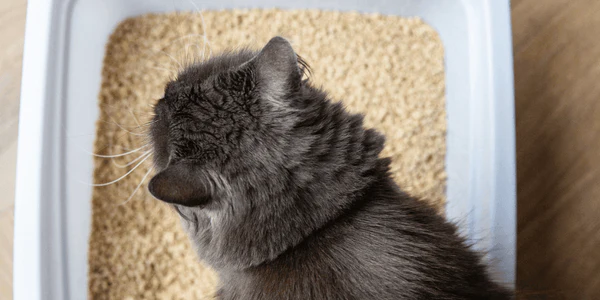
Low-Dust Litter: While regular clay litters produce “dust clouds” that can trigger feline asthma, premium low-dust litters use heavier, cohesive granules or natural substrates like pine and paper to protect respiratory health.
5. The Long-Term Economic Impact
While the upfront cost of premium products is higher, they often represent a smarter financial investment over the life of the pet.
-
Feeding Efficiency: Because premium food is nutrient-dense and lacks empty fillers, the daily serving size is typically smaller than that of regular food. A bag of premium food often lasts significantly longer.
-
Preventative Medicine: High-quality nutrition and hygiene act as a form of “preventative medicine”. By maintaining organ health, joint mobility, and a strong immune system, owners can avoid thousands of dollars in emergency veterinary fees for conditions like diabetes, urinary stones, or chronic skin infections.
-
Reduced Waste: Higher bioavailability means better nutrient absorption, which often results in smaller, firmer, and less frequent stools, simplifying household cleanup.
Conclusion: Choosing with Intention
What makes premium pet care products truly different is the philosophy behind them: they are designed to help a pet thrive, not just survive. By prioritizing ingredient integrity, safety, and scientific formulation, premium products provide the foundational support needed for a long, energetic, and comfortable life.
When you choose premium, you aren’t just buying a brand; you are buying peace of mind and more quality time with your companion. A healthy pet is a happy pet, and that starts with the quality of the products you bring into your home.