




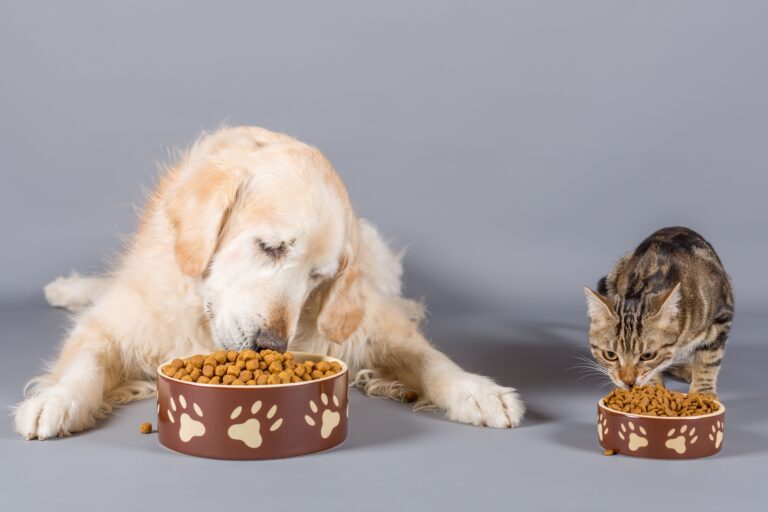
For many pet owners, a bag of treats is simply a way to show a little extra love. However, in the world of professional animal behavior and long-term pet care, high-quality treats are far more than just snacks—they are powerful communication tools. When used correctly, treats bridge the gap between human language and animal instinct, fostering a relationship built on trust, clarity, and mutual respect.
Whether you are teaching a puppy the basics or trying to deepen your connection with a senior cat, understanding the strategic use of treats can transform your pet’s behavior and emotional well-being.
1. The Science of Positive Reinforcement
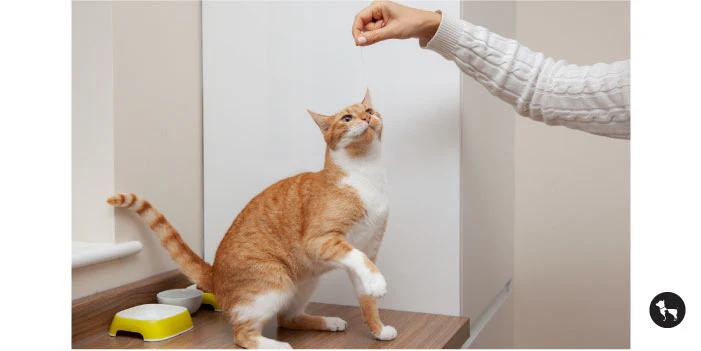
At its core, using treats for training is based on the principle of positive reinforcement. Animals are biologically wired to repeat behaviors that lead to a rewarding outcome. When a dog sits and immediately receives a delicious morsel, their brain releases dopamine, creating a “reward loop” that associates the command “sit” with a pleasurable experience.
-
Clarity in Communication: Treats provide an instant “yes” that a pet can understand. While verbal praise is important, the tangible reward of a treat is an unambiguous signal that they have performed correctly.
-
Building Motivation: High-value treats (like small pieces of freeze-dried liver or fresh chicken) provide the necessary motivation for pets to focus in distracting environments, such as a busy park or a vet’s office.
2. Deepening the Human-Animal Bond
Bonding isn’t just about spending time together; it’s about creating positive associations. Treats are a primary way to build “associative value” with your presence.
-
Trust Building: For shy or rescued pets, treats act as an olive branch. Hand-feeding small treats helps a nervous animal associate your scent and touch with safety and reward.
-
Quality Time: The act of training with treats is a form of active engagement. It requires focus from both the owner and the pet, turning a simple afternoon into a collaborative “team-building” session that strengthens your emotional connection.
3. Treats as a Tool for Cooperative Care
One of the most practical benefits of treat-based training is “cooperative care”—teaching your pet to participate in their own hygiene and medical needs.
-
Stress-Free Grooming: By pairing treats with activities like nail trimming or ear cleaning, you can desensitize your pet to being handled. Eventually, your pet may even look forward to these sessions because they know a reward is coming.
-
Vet Visit Success: Bringing high-value treats to the veterinarian can distract a pet during vaccinations or examinations, reducing their anxiety and making the experience easier for everyone involved.
4. Mental Enrichment and Problem Solving
Treats aren’t just for “sit” and “stay.” They can be used to provide essential mental stimulation, which is just as important as physical exercise.
-
Puzzle Toys: Placing wet food or small treats inside a stuffable rubber toy or on a lick mat encourages “foraging” behavior. This natural instinct keeps their minds sharp and helps alleviate boredom-related destructive behaviors.
-
Scent Work: Hiding treats around the house for your pet to find is a fantastic way to engage their strongest sense—their nose. This “brain work” can tire out a high-energy dog more effectively than a long walk.
5. Managing High-Stress Situations
Treats can serve as a powerful distraction when a pet is faced with a “trigger,” such as a passing bicycle, a loud thunderstorm, or a doorbell.
-
Counter-Conditioning: By giving treats the moment a pet sees a trigger (before they react), you can slowly change their emotional response from fear to anticipation.
-
Focus Drills: Commands like “Look at me” or “Touch,” reinforced with treats, give the pet a specific task to focus on, preventing them from spiraling into an anxious or reactive state.
The Golden Rules of Treat-Based Training
To ensure that treats remain a healthy part of your pet’s life, keep these three rules in mind:
I. The 10% Rule
Treats should never make up more than 10% of your pet’s daily caloric intake. Over-treating can lead to obesity and nutritional imbalances. If you have a heavy training day, remember to reduce the size of their main meal accordingly.
II. Quality Over Quantity
Look for treats with limited ingredients and high bioavailability. Avoid snacks filled with artificial colors, sugars, or “meat by-products”. The healthier the treat, the more you can use it without guilt.
III. Timing is Everything
The reward must be delivered within 1 to 2 seconds of the desired behavior. If you wait too long, your pet may not understand exactly what they are being rewarded for.
Conclusion: A Language of Love
Ultimately, treats are a medium through which we speak to our pets. They allow us to set them up for success, reward their hard work, and comfort them when they are afraid. By selecting high-quality, nutritious treats and using them with intention, you aren’t just “bribing” your pet—you are investing in their intelligence and cementing a bond that will last a lifetime.
A well-trained pet is a confident pet, and a confident pet is a happy one. So, the next time you reach for that bag of treats, know that you are doing much more than giving a snack; you are building a better life together, one reward at a time.