

Water is the most critical nutrient for life, yet it is often the most overlooked component of a pet’s diet. While we meticulously count calories and scrutinize protein percentages, the hydration status of our cats and dogs plays an even more immediate role in their metabolic function, organ health, and overall longevity.
In nature, wild ancestors of our domestic pets consumed prey that was composed of approximately 70% to 80% water. Modern dry kibble, however, contains as little as 10% moisture. This vast nutritional gap makes understanding hydration—and the role of wet food—essential for every proactive pet owner.
The Biological Role of Water
Every chemical reaction in a pet’s body requires water. From the cellular level to the major organ systems, hydration is the invisible engine that keeps life moving.
-
Temperature Regulation: Pets do not sweat like humans; they rely on panting and internal moisture to dissipate heat and maintain a stable core temperature.
-
Nutrient Transport: Water is the primary component of blood and lymph, acting as the “highway” that carries oxygen and nutrients to cells and flushes metabolic waste products away.
-
Joint Lubrication: Adequate hydration ensures that the fluid in a pet’s joints (synovial fluid) remains thick and cushioning, preventing painful friction and premature arthritis.
-
Digestion and Waste Elimination: Moisture is required to move food through the gastrointestinal tract and to allow the kidneys to filter toxins effectively without becoming overtaxed.
The Hydration Gap: Why Cats are at Greater Risk
While both dogs and cats need water, felines face a unique evolutionary challenge. Cats evolved from desert-dwelling ancestors and have a biologically low thirst drive. They are designed to get their moisture from their “kill” rather than from a watering hole.
When a cat eats dry kibble, they rarely drink enough water to compensate for the lack of moisture in their food. This leads to a state of chronic mild dehydration, which concentrates their urine and significantly increases the risk of:
-
Feline Lower Urinary Tract Disease (FLUTD).
-
Bladder Stones and Crystals.
-
Chronic Kidney Disease (CKD)—a leading cause of death in senior cats.
Dogs generally have a stronger thirst drive than cats, but highly active dogs or those living in warm climates can still struggle to keep up with their hydration needs solely through a water bowl.
How Wet Food Bridges the Gap
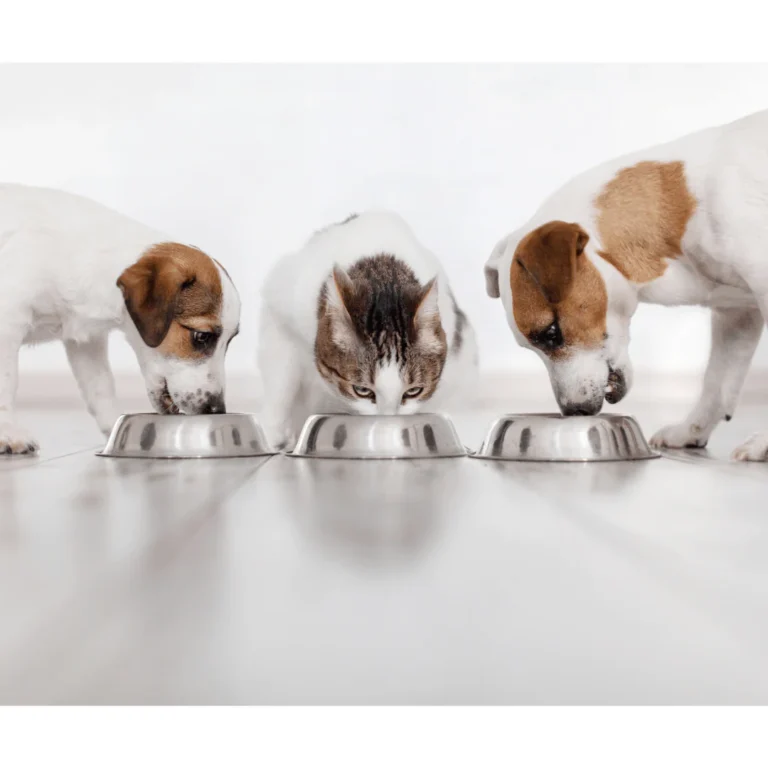
Wet food is more than just a tasty topper; it is a mechanical solution to the hydration problem. Because wet food typically contains 75% to 80% moisture, it allows pets to “eat” their water.
1. Supporting Renal and Urinary Function
By consuming wet food, the volume of water passing through the kidneys increases. This naturally dilutes the urine, making it much harder for minerals like magnesium or calcium to form the painful crystals and stones that lead to life-threatening blockages. For male cats especially, this extra hydration is often the difference between a healthy life and an emergency surgery.
2. Weight Management through Satiety
Water adds volume to food without adding calories. A bowl of wet food looks much larger and feels much heavier than a serving of dry kibble with the same caloric count. This helps pets feel “full” faster and stay satiated longer, making it an excellent tool for managing obesity—a condition that further complicates hydration and organ health.
3. Improved Palatability and Nutrient Intake
Hydrated food is more aromatic and flavorful. For senior pets whose sense of smell may be fading, or for sick pets with a suppressed appetite, the rich scent of wet food encourages them to eat. This ensures they stay hydrated and receive the essential proteins and vitamins necessary for recovery and maintenance.
Identifying Dehydration in Your Pet
Prevention is key, but as a pet owner, you must know how to spot the early warning signs that your pet isn’t getting enough fluids:
-
The “Skin Turgor” Test: Gently pinch the skin between your pet’s shoulder blades. In a well-hydrated pet, the skin will snap back instantly. If it moves slowly or stays in a “tent” shape, your pet is dehydrated.
-
Gums: Feel your pet’s gums. They should be moist and slippery. If they feel tacky, sticky, or dry to the touch, it’s a sign of fluid loss.
-
Lethargy and Sunken Eyes: Advanced dehydration leads to visible exhaustion and a dull, “sunken” appearance around the eyes.
-
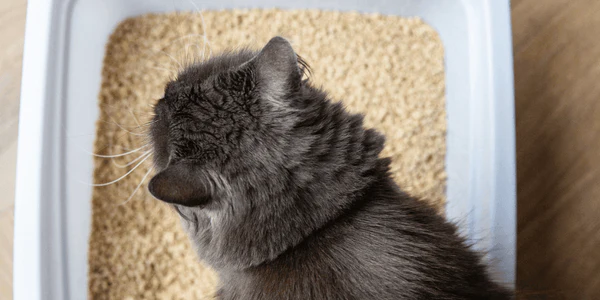
Infrequent Urination: If your cat’s litter box is unusually dry or your dog hasn’t asked to go out in several hours, their body may be desperately trying to hold onto what little water it has left.
Practical Tips for Increasing Fluid Intake
Even if you cannot switch to a 100% wet food diet, there are several ways to incorporate moisture into your pet’s daily routine:
-
Mixed Feeding: Substitute one meal of dry kibble with a high-quality wet food, or mix a pouch of wet food directly into their dry bowl.
-
Add Warm Water or Broth: Pouring a small amount of warm water or low-sodium, pet-safe bone broth over their food can create a “stew” that adds significant hydration.
-
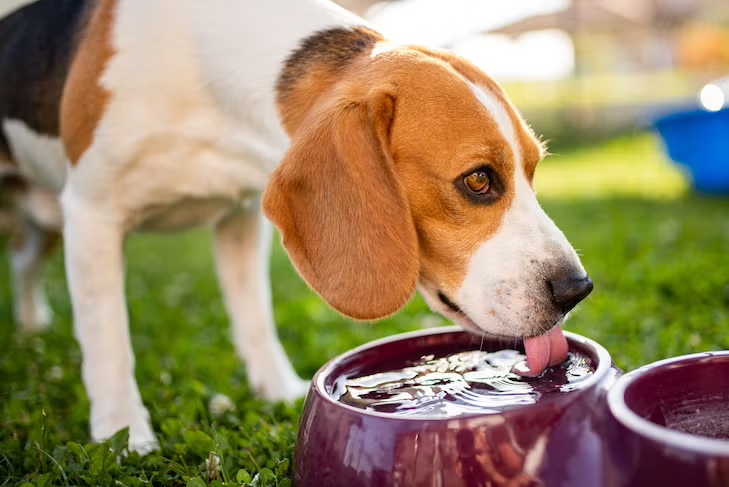
Use Water Fountains: Many pets, especially cats, prefer running water over standing water. A fountain can encourage more frequent visits to the water bowl.
-
Strategic Placement: Keep multiple water bowls throughout the house, especially in areas where your pet spends the most time.
Conclusion: A Simple Choice for Long-Term Health
Hydration is the bedrock of pet vitality. While dry kibble offers convenience, it cannot compete with the biological advantages of a moisture-rich diet. By incorporating wet food into your pet’s life, you aren’t just giving them a treat; you are actively flushing their system, protecting their kidneys, and ensuring their joints stay cushioned for years to come.
Next time you’re choosing a meal for your best friend, remember that the “wet” in wet food is one of the most powerful medicines you can provide. A hydrated pet is a happy, energetic, and long-lived pet.